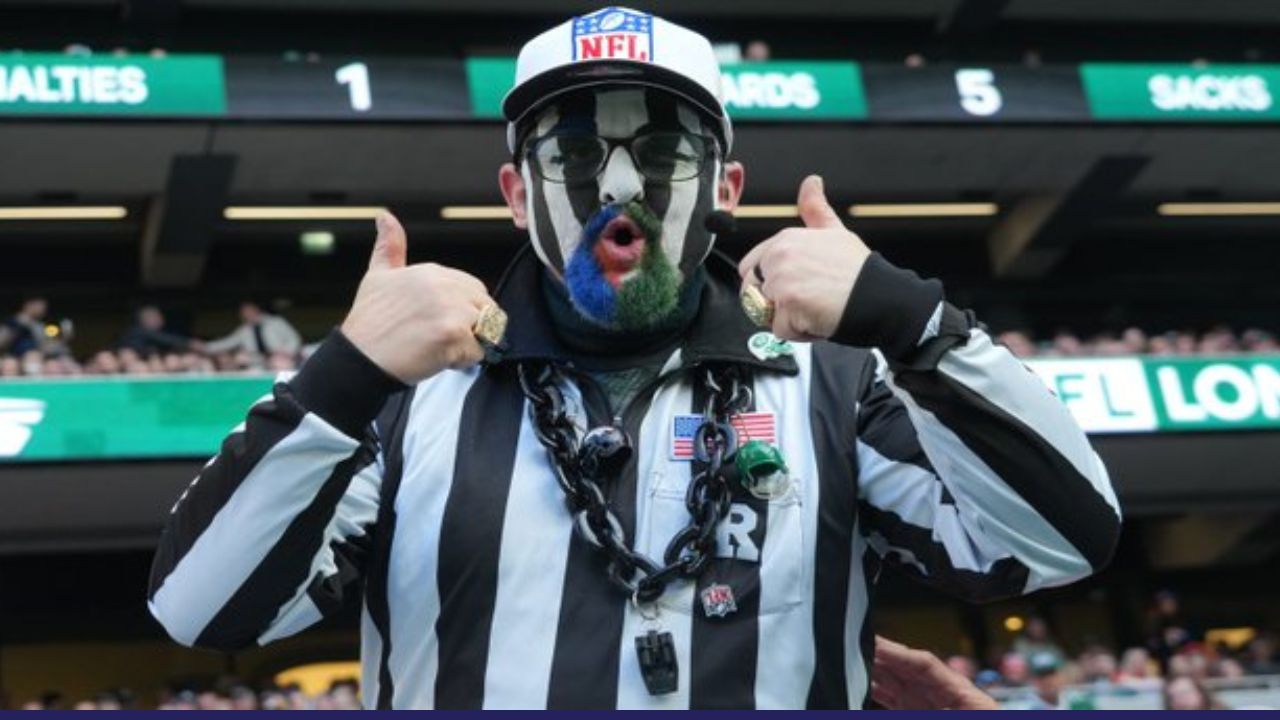
The much-anticipated prime-time NFL matchup between the Chicago Bears and the Washington Commanders will be remembered less for the on-field heroics, and more for a barrage of questionable officiating decisions that left players, coaches, and fans reeling. With every snap seemingly under the microscope, this Monday Night Football showdown became a flashpoint for a growing league-wide conversation: is NFL officiating undermining the integrity of the game?
A Game Marred by Dubious Decisions
From the opening drive, it was clear that officiating would play a pivotal role in the outcome. The Bears began with aggressive offensive play-calling, pushing deep into Commanders’ territory. However, their momentum was abruptly stalled by a highly debatable offensive pass interference penalty on rookie tight end Colston Loveland—a call which wiped out a critical first down. Instead of a potential touchdown, the Bears were forced to settle for a field goal, setting the tone for a night filled with frustration.
Defensive efforts were also impacted. On what could have been a decisive third-down stop, Chicago’s Nahshon Wright found himself at the center of controversy, flagged for what many fans and analysts labeled a “phantom facemask.” This penalty extended Washington’s drive, leading to a Commander’s touchdown and sparking immediate outrage across social media platforms. It was just a harbinger of what was to come.
Touchdowns Wiped and Scoring Impacted
Perhaps the most glaring blow to Chicago arrived in the second half. Bears quarterback Caleb Williams found Rome Odunze in the end zone for what appeared to be a momentum-shifting touchdown. Yet, officials negated the score, citing an illegal formation by tackle Theo Benedet. Replays and expert analysis offered little evidence to definitively support the penalty, fueling suspicions of inconsistency and raising pointed questions about standardization and transparency in NFL officiating decisions.
Adding to the sense of injustice, each questionable flag directly altered the scoring landscape of the game, often at pivotal moments. The ebb and flow of the match became secondary to the drama unfolding between the referees and the competing teams, with each call met by visible dismay from players and a barrage of criticism from fans and pundits.
Fan and Media Outrage
Across X (formerly Twitter), Threads, and fan forums, the response was swift and caustic. Hashtags decrying the officiating trended throughout the night. Prominent sportswriters and longtime fans documented each miscue, while some accused the NFL of failing to address a brewing crisis of confidence in its officiating ranks. Some even speculated about external influences impacting the neutrality of game officials.
Wider Concerns Across the NFL
Notably, the Bears-Commanders matchup is just the latest in a string of recent NFL games marred by officiating controversy. In the Chiefs-Lions and Patriots-Saints games that same week, similarly contentious calls drew ire, with coaches and ex-players publicly questioning the league’s officiating standards. Critics point to the NFL’s use of part-time officials, arguing that the complexity and speed of the professional game now require a full-time, highly trained officiating corps. Prominent voices, including former MVP Cam Newton, have suggested creating a governing body for officiating with weekly review processes, and inviting ex-players to bring firsthand insight to crucial calls.
The Path Forward
As the dust settles on a wild Bears-Commanders clash, two things are certain: the game’s outcome will spark policy debates, and the voices for reform will only grow louder. Consistency in officiating has become a rallying cry not just for teams that feel wronged, but for fans, analysts, and even some inside the league itself.
The NFL’s leadership will face mounting pressure to address transparency, accountability, and training in its officiating ranks. For now, teams like the Bears and Commanders are left to wonder how the rulebook can be enforced more fairly—and when fans will get to watch games settled by the players, not the referees.